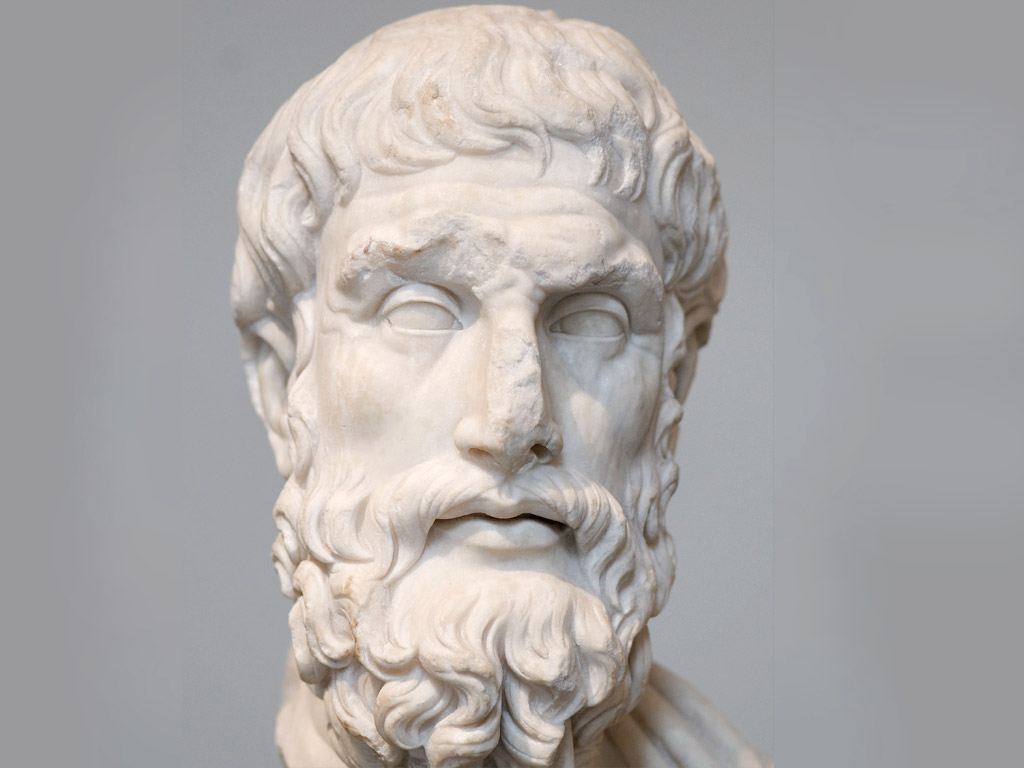
De nombreuses définitions existent pour le bonheur. En philosophie, il est défini comme un état complet de satisfaction. Épicure, premier philosophe ayant écrit sur le thème, le définit comme le but ultime de la vie humaine. Selon Aristote, la recherche du bonheur est la recherche du souverain bien. Selon certains penseurs, le bonheur est un état de l’âme et qui ne dépend pas des facteurs externes, mais de nombreux autres philosophes pense qu’il se situe à plusieurs niveaux. On distingue donc quatre sortes de satisfactions liées au bonheur.
La satisfaction du désir
Une différence entre le désir et le besoin commence par s’établir. Le besoin doit être satisfait et sous peine de mourir est tout aussi naturel qu’animal. Le désir est en ce qui le concerne culturel et humain. Il consiste à rechercher une chose ou un sentiment qui pourrait être source de bonheur pour soi. Les désirs sont alors multiples et diffèrent d’une personne à une autre. Pour certaines personnes, assouvir leurs désirs sexuels pourrait être source de bonheur alors que ce n’est pas le cas pour d’autres. Les désirs peuvent être aussi liés au corps ou à la recherche de biens matériels comme les biens immobiliers, les vêtements, les voitures… C’est un des éléments importants dans la recherche du bonheur.
La satisfaction du devoir
Tous les hommes recherchent ce qui est bien pour eux. Même la personne qui est méchante, recherche à la fin ce qui est tout de même bien pour elle-même. La finalité de toute action se résume finalement à la recherche du bien. Le bonheur est un ingrédient qui est tout aussi recherché par les hommes et Aristote pense que le bonheur représente l’ensemble des biens souhaités. Pour de nombreuses personnes, le bonheur vient de la satisfaction d’un travail bien accompli. Par exemple, un fonctionnaire serait heureux pas forcément à cause du salaire reçu, mais à cause de la satisfaction qu’il trouve dans son travail.
La satisfaction du vrai
La philosophie est en soi l’amour de la sagesse, la recherche de la connaissance, de la sagesse afin de connaître davantage et sortir de l’ignorance. Le bonheur est un état d’esprit qui dépend de toutes les connaissances reçues. Pour certains philosophes, le vrai bonheur est une fonction de la connaissance que possède une personne. Seule la connaissance libère et permet à un être de pouvoir faire librement ce qu’il a envie e faire. Alors, rechercher le bonheur et satisfaire sa soif de connaissance serait une pièce du puzzle pour être et vivre heureux.
La satisfaction du beau
Pour Emmanuel Kant, le jugement par rapport à la beauté d’une chose ou par rapport à une chose qui plaît à telle ou telle personne est relatif. Ceci étant fondé sur un sentiment particulier et qui n’a de la valeur que pour la personne qui est devant les faits. C’est alors que la satisfaction du beau conduit au bonheur. Voilà pourquoi de nombreuses personnes sont heureuses juste à cause de la possession des objets de valeur qui sont d’une grande beauté à leurs yeux.